

Exploring Exotic Pet Care with a Local Animal Hospital
Give Your Exotic Pet the Specialized Care It Deserves
Exotic pets are becoming more common in homes around Billings. Parrots, ferrets, bearded dragons, guinea pigs, and other unique pets bring a lot of personality, but they also come with needs that are very different from those of dogs and cats. Their health, diet, and housing must be planned with care, or small problems can grow into big ones.
Exotic pet care is not one-size-fits-all. It calls for extra training, special tools, and a clear understanding, of how each species is meant to live. From proper temperatures for reptiles to safe chewing options for rabbits, every detail matters. A full-service animal hospital that understands exotic pets can make a big difference in your pet’s comfort and lifespan.
At Billings Animal Family Hospital, we work with a wide range of species and offer wellness care, diagnostics, dentistry, surgery, and supportive care that are tailored to exotic animals. Late winter in Montana, when pets are indoors more and less active, is a great time to pause, look closely at your pet’s health, and make sure their setup is still working well for them.
Understanding the Unique Needs of Exotic Pets
The term “exotic pet” covers many animals, including:
Parrots and other companion birds
Ferrets, rabbits, guinea pigs, and other small mammals
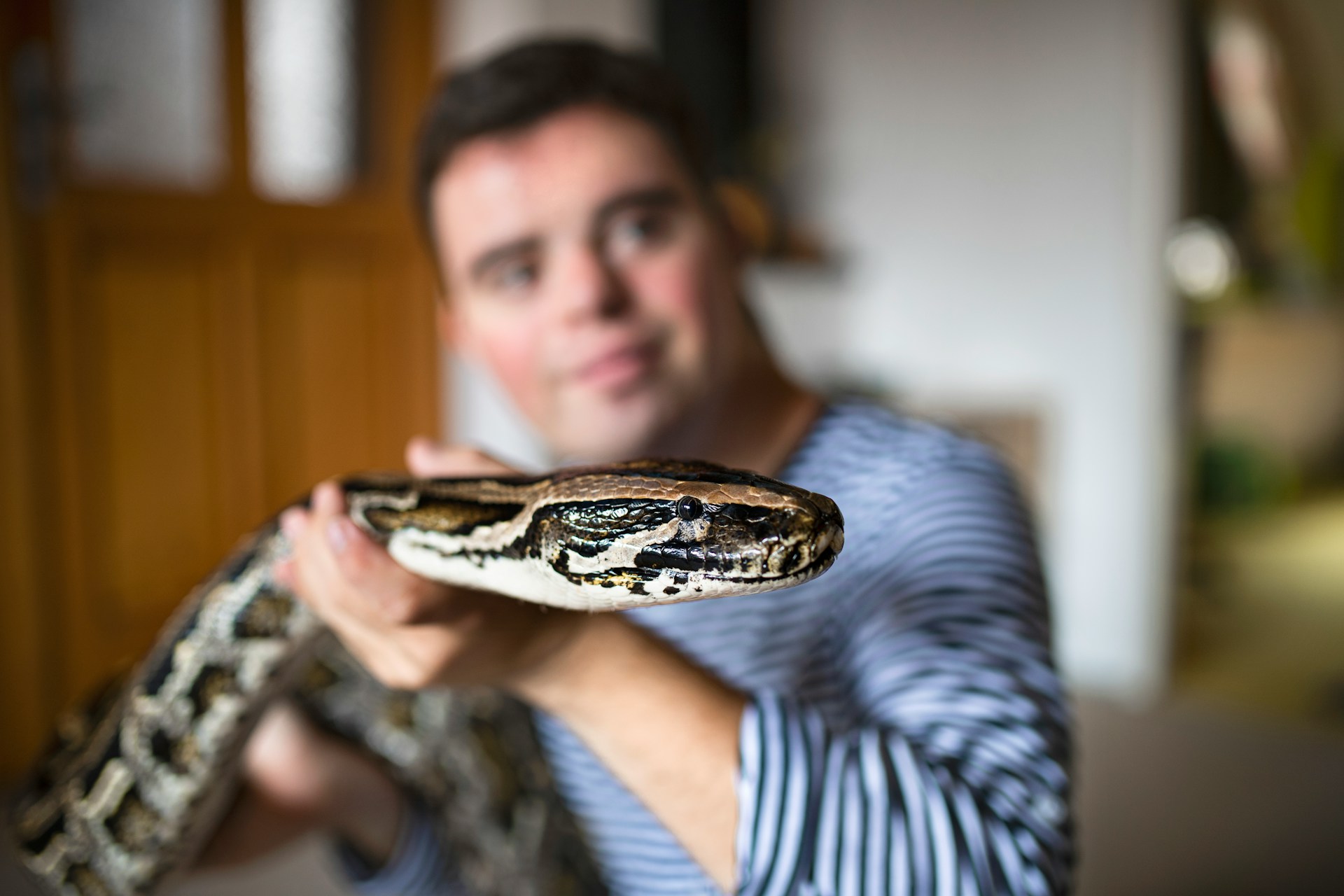
Bearded dragons, geckos, turtles, and snakes
Pocket pets like hamsters and gerbils
Each of these pets has its own needs for food, housing, light, temperature, and social time. A parrot that needs mental stimulation will not thrive in the same way as a shy reptile that prefers to hide. What works for one species can be very unsafe for another.
Many exotic pets are experts at hiding illness. Their signs can be subtle, such as:
Changes in droppings or urine
A slight drop in appetite or pickiness with food
Dull feathers or fur, or changes in shedding or molting
Spending less time basking, hiding more, or acting unusually quiet
These changes are easy to miss in a busy day. That is why regular exams focused on exotic pet care are so helpful. During these visits, we may:
Track weight and body condition
Check beaks, nails, and teeth for overgrowth or injury
Look inside the mouth for sores, infection, or dental issues
Run fecal tests to screen for parasites
Talk with you about habitat, diet, and daily routine
In Montana winters, indoor heating can dry out the air, and shorter days affect light cycles. For birds and reptiles, this can change how they breathe, molt, or use energy. For small mammals, winter can bring changes in skin, coat, and respiratory comfort. Regular check-ins help catch these shifts early.
Seasonal Health Tips for Exotic Pets in Late Winter
February in Billings often brings cold outdoor air and warm, dry indoor air. This can be tough on exotic pets that rely on stable temperature, humidity, and light. Reptiles and birds are especially sensitive, and even small changes in their setup can cause stress.
Here are some late-winter husbandry tips to support your pet:
For reptiles, use reliable thermometers and separate gauges for warm and cool areas so they can move to the spot they need. Check UVB bulbs and replace them on the schedule recommended for that brand.
For birds, aim to keep their cage away from drafts, doorways, and direct heat vents. Dry air can affect their skin, feathers, and breathing, so talk with us about safe ways to support humidity.
For small mammals, keep habitats clean and dry, and avoid dusty bedding that can bother their lungs, especially when heaters are running more.
Activity levels often drop when daylight is shorter and pets are indoors more. This means we may need to adjust feeding:
Avoid overfeeding treats or high-fat foods for less active pets
Focus on species-appropriate diets, such as fresh leafy greens for many rabbits and guinea pigs, or balanced pellets and safe fresh foods for birds
Make sure reptiles that are less active in winter still receive proper nutrients, including any needed supplements
A seasonal wellness visit in late winter is a smart way to check how your pet has handled the colder months and prepare for changes in light and temperature as spring approaches.
How a Local Animal Hospital Supports Exotic Pet Care
Exotic pet care works best when it is personal. At a local animal hospital that sees exotic species, care can be tailored to the exact needs of your pet, not just the general species. This includes choosing the right tests, planning gentle handling, and building a treatment plan that fits their size, behavior, and lifestyle.
Support for exotic pets often goes beyond simple wellness exams. Care may include:
Dentistry for rabbits and rodents, who can develop overgrown or misaligned teeth
Surgery for lumps, injuries, or internal conditions, with attention to smaller bodies and different anatomy
Screening and treatment for internal or external parasites
Behavior and nutrition counseling to help with biting, feather picking, boredom, or picky eating
Some exotic pets also need advanced or alternative therapies at different points in their lives. These can help with pain, chronic disease, or recovery after an illness or surgery. Having a team that is familiar with exotic species makes it easier to choose safe, gentle options.
One of the biggest strengths of working with a local, relationship-based hospital is consistency. When the same team sees your pet over time, they get to know what is normal for them. This helps us spot problems early and provide quicker support when something is not right.
Planning for Every Life Stage of Exotic Pets
Life stages look very different across exotic species. Some small mammals have shorter lifespans and change quickly from young to adult to senior. Many parrots and some reptiles can live for decades with good care. Planning ahead for each stage helps you give steady, thoughtful support through your pet’s whole life.
For younger exotic pets, early care should focus on:
Setting up the right habitat from the start, including safe materials and proper lighting and heat for that species
Learning about correct nutrition so growth is steady and healthy
A baseline health exam to check for birth or early-life issues
Gentle handling tips and ideas for enrichment, like toys, perches, tunnels, and climbing options
As exotic pets age, their needs change. Senior care may include:
Watching for stiffness or slower movement in older reptiles that can indicate joint problems
Monitoring for breathing or heart concerns in birds, such as changes in activity, sound, or perching
Checking for dental pain, weight loss, or trouble moving in rabbits, ferrets, and other small mammals
At the end of life, exotic pets benefit from the same compassion we offer dogs and cats. This may mean pain management, help keeping them comfortable day to day, and honest talks about their quality of life. Support from a veterinary team can guide families through difficult choices with care and respect.
Take the Next Step in Your Exotic Pet’s Health
Late winter is a natural pause point to look closely at your exotic pet’s health, home, and routine. A seasonal wellness exam is a chance to review diet, light, temperature, humidity, and daily habits, and to make sure they still match your pet’s current age and activity level.
It can help to bring photos or notes about your pet’s enclosure, lighting setup, and feeding schedule so we can offer specific, practical suggestions. Local, experienced exotic pet care helps prevent emergencies, supports a longer, more comfortable life, and gives your whole family more peace of mind about the unique animal you share your home with.
Give Your Exotic Pet the Specialized Care They Deserve
If your unique companion needs knowledgeable, compassionate support, we are here to help with dedicated exotic pet care tailored to their species and lifestyle. At Billings Animal Family Hospital, our team takes time to understand your pet’s needs so we can create a comfortable, low-stress visit and a clear plan for ongoing health. Schedule an appointment today or contact us with questions so we can partner with you in keeping your exotic pet thriving.