

Microchipping Pets: Keep Them Safe At Home & Outside
Microchipping Pets: How It Keeps Them Safe At Home And When They Wander
Pets will be pets. They love the comfort of home, but curiosity, fear, or a sudden distraction can cause even well-loved companions to wander off. No pet owner wants to imagine that moment, yet it happens more often than expected. Taking preventive steps ahead of time can make a meaningful difference.
Microchipping pets provides a permanent form of identification that helps lost dogs and cats return safely at home where they belong. When a pet is found, a microchip can be the key to a quicker reunion, reducing time spent exposed to outside risks and helping families reconnect sooner.
What You'll Find In This Post . . .
Microchipping Pets: How It Keeps Them Safe At Home And When They Wander
Understanding microchipping for pets
Benefits of microchipping your pets
Microchipping vs. traditional ID methods
1. How much does microchipping pets cost?
2. Can microchipping your pets be done at home?
3. Can I have an ISO-standard microchip implanted?
4. Can you track a pet with a microchip?
5. What should I do after getting your pet microchipped?
Microchipping your pet is a simple but essential veterinary step

Understanding microchipping for pets
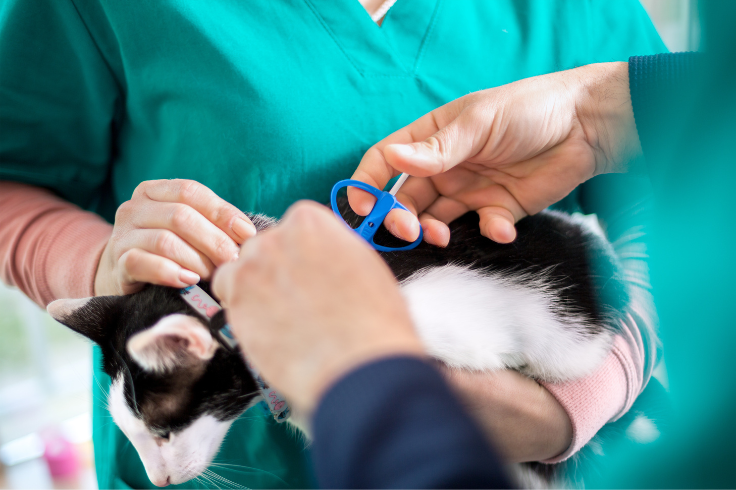
A pet microchip is a small electronic device, about the size of a grain of rice, that is implanted just under the skin between the shoulder blades. It carries a unique number that provides permanent pet identification when scanned at a veterinary clinic or animal shelter.
Microchipping your pets is quick, safe, and often done during routine visits such as wellness exams or spay or neuter procedures, and does not require anesthesia. Unlike collars or tags, this form of pet identification stays with your pet for life and helps ensure they can be accurately identified if lost.
Microchipping also supports overall health and safety by helping pets return home faster, reducing time spent exposed to parasites, illnesses, and environmental risks.
How microchipping works
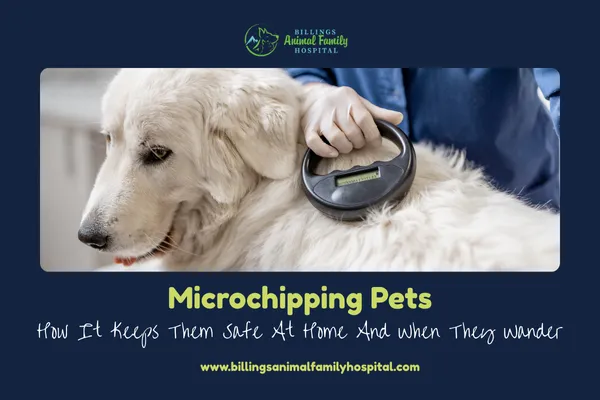
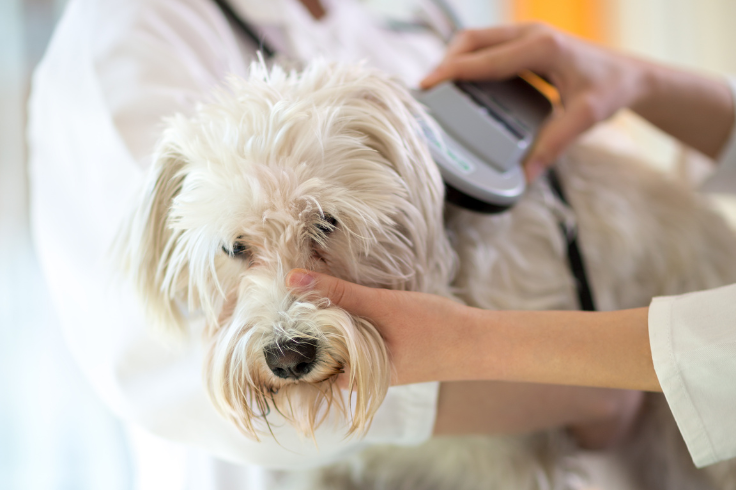
Pet microchips are passive devices, meaning they don’t have a battery and stay inactive until scanned. When a veterinarian or shelter scans a pet, the scanner activates the microchip, which transmits a unique pet identification number. That number allows the pet to be identified and helps guide them back to their family.
The registration process
Microchipping is only effective if the chip is registered. After placement, your pet’s microchip number must be linked to your current contact information in a database. If your pet is found, this information allows a veterinary clinic or shelter to contact you quickly. Keeping your details updated, including an emergency contact, is essential for a successful reunion.
Benefits of microchipping your pets
Microchipping is a simple step that plays a big role in identification and long-term care for pets. Below are some of the most important benefits for both pets and the people who love them.
Faster reunions: Microchips help veterinary clinics and shelters quickly identify lost pets and reunite them with their owners.
Permanent identification: Unlike collars or tags, microchips provide lifelong identification that can’t be lost or removed.
Improved safety: Pets that are identified sooner spend less time exposed to traffic, predators, parasites, and other animals.
Support for medical care: Accurate identification allows veterinary teams to contact owners and provide appropriate care when a pet is found.
Peace of mind for families: Microchipping adds an extra layer of protection, supporting responsible care for pets and helping families stay connected.

Microchipping vs. traditional ID methods
Traditional ID, like a collar with tags, provides quick visual pet identification, but it can be lost or stolen, especially if a cat or dog ends up far from home. When that happens, it can be difficult to get your pet back.
Microchipping provides permanent backup identification that stays with your pet for life. Even if a collar is lost, a microchip remains in place and can be scanned to help reconnect pets with their families.
When used together, collars and microchips offer the strongest protection, immediate identification paired with long-term security that helps lost pets find their way back home.
Preparing for microchipping
There is very little preparation required before microchipping, but a few simple steps can help make the visit smoother for both you and your pet. Please note that microchipping your pet is performed by a veterinarian, and it cannot be done at home.
Before the appointment, make sure to:
Secure your pet with a leash or carrier and help them arrive calm and comfortable.
Review your contact details ahead of time, as accurate information is required for microchip registration after placement.
Inform your veterinarian if your pet has anxiety, sensitivity to handling, or any existing medical conditions, so care can be adjusted as needed.
Microchipping your pets requires no fasting, medication, or special preparation unless it is done with another procedure, such as spaying or neutering.
After the procedure, pets usually return to normal activity right away. Monitor the injection site for mild redness or swelling and follow any instructions provided by your veterinarian.

Frequently asked questions
1. How much does microchipping pets cost?
Costs are generally affordable and often lower when completed during a routine veterinary office visit, such as neutering or spaying.
2. Can microchipping your pets be done at home?
Microchipping pets at home is not recommended. The microchip is inserted under the skin by a veterinarian using sterile equipment to ensure safe implantation.
3. Can I have an ISO-standard microchip implanted?
Yes. Many clinics offer ISO-compliant chips which provide permanent identification. The American Veterinary Medical Association recommends that every pet receive a microchip.
4. Can you track a pet with a microchip?
Microchips are not GPS devices. When a pet’s microchip is scanned, the ID number is displayed on the scanner’s screen, allowing a microchip lookup through a registry.
5. What should I do after getting your pet microchipped?
Be sure to register your pet’s microchip, keep your registration information up to date, and update your information so a found pet can be identified and returned, giving them the best chance to bring them home.

Microchipping your pet is a simple but essential veterinary step
Choosing to have your pet microchipped is an important part of responsible ownership and lifelong care for pets. A microchip provides permanent identification that stays with your pet, helping them be quickly recognized and safely returned if they ever wander away.
If you have questions or are ready to schedule microchipping, call Billings Animal Family Hospital at (406) 245-4772. Our team is here to help you protect the pets you love and support their health at every stage of life.