

Preventing Dental Disease in Cats Before It Hurts
Preventing Dental Disease in Cats Before It Hurts
Cats are experts at hiding pain, especially when it comes to their teeth. By the time we notice a problem, our cats may have been hurting for quite a while. Cat dental care is not just about clean teeth; it is about catching problems early so your cat can eat, groom, and play without discomfort.
In this article, we will walk through how dental disease starts, what to watch for at home, and how daily care and professional help can keep your cat comfortable. With a few simple habits and regular checkups, you can prevent many painful mouth problems before they begin.
What You'll Find In This Post . . .
Preventing Dental Disease in Cats Before It Hurts
Stop Cat Tooth Pain Before It Starts
Why Cat Dental Disease Is so Easy to Miss
Building a Daily Cat Dental Care Routine at Home
When Your Cat Needs a Professional Dental Visit
Early Warning Signs You Should Never Ignore
Give Your Cat a Pain-Free Smile Starting Today
Protect Your Cat’s Health With Gentle, Expert Dental Care
Stop Cat Tooth Pain Before It Starts
A cat who usually races to the food bowl might start walking away after a few bites. Another might stop grooming, leaving a dull or greasy coat. Some cats hide more, sleep more, or just seem grumpy. These can all be quiet signs of dental pain.
Cats rarely cry out or show obvious signs when their mouth hurts. They instinctively try to act normal. That means by the time the signs are clear, dental disease is often more advanced and harder to treat.
The good news is that most dental problems can be slowed down or even prevented with:
Regular home care for your cat’s teeth
Routine dental checkups at a veterinary clinic
Professional cleanings when needed
As daily routines shift with the seasons here in Billings, it is a great time to make cat dental care part of your normal pet care plan. With consistent care and guidance from a trusted veterinary team, you can help stop tooth pain long before it starts.
Why Cat Dental Disease Is so Easy to Miss
Dental disease in cats usually begins quietly along the gumline. A soft film called plaque builds up on the teeth, then hardens into tartar. The gums get red and sore, which is called gingivitis. If this keeps going, the tissues and bone that hold the teeth in place start to break down. This is periodontal disease.
In the early stages, there might not be any big, dramatic signs. Instead, you may notice small changes, such as:
Chewing more slowly or on one side of the mouth
Preferring softer food or licking at food instead of crunching
Drooling, sometimes with pink or blood-tinged saliva
Rubbing the face on furniture or with a paw
Bad breath that seems stronger or “fishier” than usual
Less interest in toys, treats, or chewable snacks
Dental infections do not just stay in the mouth. Bacteria from sore gums or damaged teeth can enter the bloodstream and affect organs like the heart, kidneys, and liver. That is why cat dental care is really whole-body care.
Some cats have a higher risk and need even closer watching, such as:
Indoor-only cats who may not show obvious behavior changes
Senior cats who already have wear and tear on teeth and gums
Cats with health issues like diabetes or kidney disease
For these cats, regular dental screening is especially important to protect their overall health.
Building a Daily Cat Dental Care Routine at Home
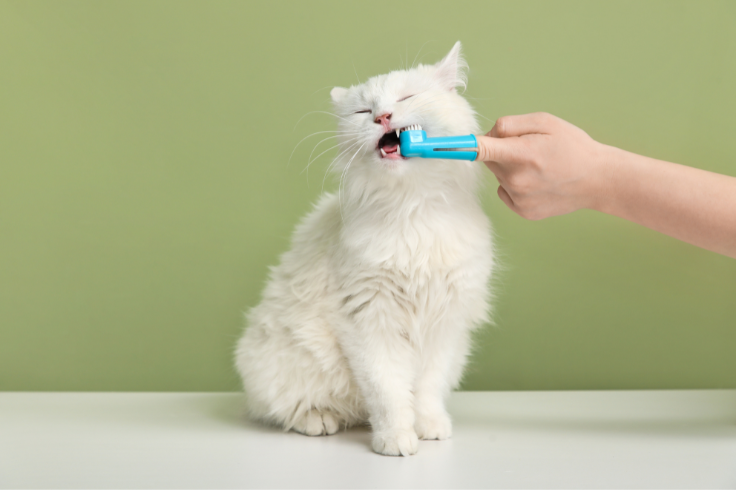
Brushing a cat’s teeth sounds impossible to many people, but with small steps and patience, many cats can learn to accept it. The trick is to move slowly and make it positive.
Try this step-by-step approach:
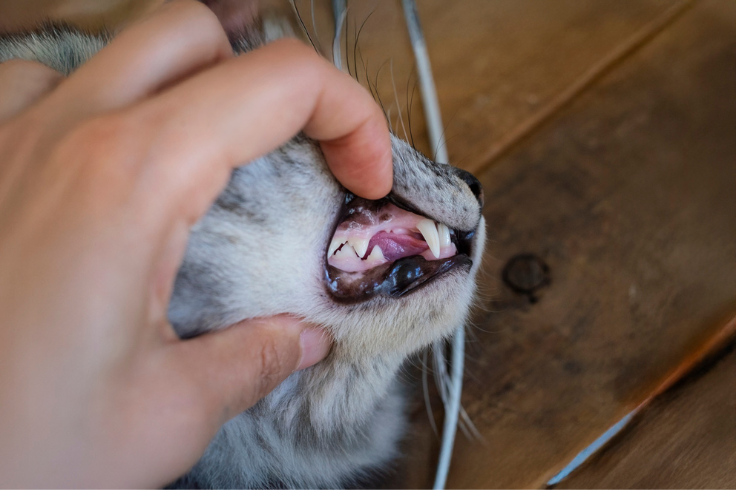
1. Start by gently lifting your cat’s lip for just a second or two, then offer praise and a small treat.
2. Once your cat is comfortable with that, use a clean finger or a soft cloth to gently rub along the gums and teeth.
3. Introduce a cat-safe toothpaste, letting your cat lick a small amount so they get used to the taste.
4. When that is going well, add a soft cat toothbrush or finger brush, and brush just a few teeth at a time.
5. Gradually work up to short brushing sessions a few times a week.
Beyond brushing, there are helpful tools that can support cat dental care:
Dental diets designed to help reduce plaque and tartar
Dental chews that are made for cats
Water additives that help control bacteria in the mouth
Dental toys that encourage safer chewing
A veterinary team can recommend products that are accepted by the Veterinary Oral Health Council, or VOHC, and suited to your cat’s age, size, and health.
As your daily routine shifts with spring schedules, it helps to tie tooth care to something you already do, like morning coffee, evening TV time, or the first meal of the day. Even if your cat never warms up to brushing, a veterinarian can help build a custom plan using other tools to significantly lower plaque and tartar.
When Your Cat Needs a Professional Dental Visit
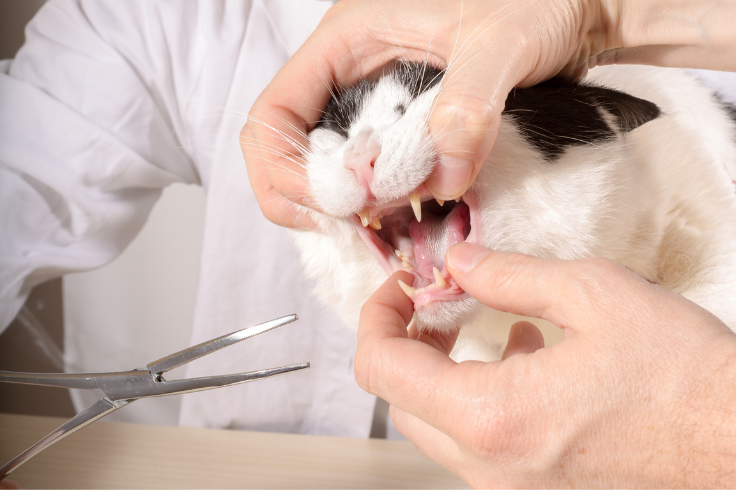
Even with good home care, most cats will need professional dental care at some point. A comprehensive dental exam at a veterinary clinic usually includes:
A careful look at your cat’s teeth, gums, and tongue
Questions about eating, grooming, and any changes at home
A review of your home care routine and what is realistic for you
Recommendations based on your cat’s age, breed, and health history
For a true cleaning, most cats need a procedure under anesthesia. This allows the veterinary team to:
Clean above and below the gumline where disease often hides
Take dental X-rays to see tooth roots and jawbone
Find and treat problems like resorptive lesions or tooth root abscesses
Modern anesthesia is designed with safety in mind. Before a procedure, most cats will have bloodwork to check organ function. During the cleaning, advanced monitoring and tailored medication plans help keep your cat as safe and comfortable as possible. Addressing dental care early and on a planned schedule is usually safer than waiting for a painful emergency.
Early Warning Signs You Should Never Ignore
Some changes are clear red flags that your cat’s mouth needs attention. Call your veterinarian promptly if you notice:
Strong or worsening bad breath
Drooling, especially if saliva looks pink or bloody
Pawing at the mouth or face
Dropping food from the mouth or chewing in an odd way
Refusing to eat, eating less, or losing weight
Swelling on the face, jaw, or under the eye
Sudden hiding, irritability, or less interest in being touched
Any sudden change in eating or grooming can signal dental trouble, especially in older cats. Waiting often leads to more advanced disease, more extractions, and longer recovery.
It can help to keep a simple “mouth health checklist” on your fridge or phone with items like breath, eating, grooming, and behavior. If you notice a change, take photos or short videos to show your veterinary team. Catching a small issue in late winter or early spring can prevent a serious, painful problem later in the year.
Give Your Cat a Pain-Free Smile Starting Today
Preventing dental disease is kinder and easier than treating a mouth that already hurts. With consistent home care and regular veterinary visits, most cats can keep more of their teeth and enjoy comfortable eating, grooming, and cuddling.
At Billings Animal Family Hospital, we focus on gentle, preventive care for cats at every life stage, from in-clinic cleanings to advanced treatments when they are needed. By paying attention to small changes, building a simple daily routine, and planning regular dental checkups, you can help your cat stay healthy from tooth to tail.
Protect Your Cat’s Health With Gentle, Expert Dental Care
Healthy teeth and gums can add comfort and years to your cat’s life, and we are here to make that care simple and stress-free. Our team at Billings Animal Family Hospital provides thorough exams, cleanings, and personalized cat dental care plans tailored to your pet’s needs. If you are ready to schedule an appointment or have questions about your cat’s oral health, please contact us so we can help your feline friend feel their best.